Where Silent Stones Speak: Kyoto’s Embrace of Seasons and Shadows
A journey through ancient temples and whispering gardens that weave timeless tales, awakening dormant memories in the soul.
Upon stepping into the Arashiyama Bamboo Grove at dawn, the world narrows to a corridor of green. Tall, slender stalks sway in unison, filtering the morning light into fragmented beams that dance upon the path. The air hums with a soft creaking—a symphony of bamboo that silences the mind and draws you into a meditative trance. Cool mist kisses your skin, carrying the scent of damp earth and dew, as if the forest itself exhales history. This is Kyoto’s first embrace: a sanctuary where nature’s verticality commands reverence, stripping away modernity to reveal a primal pulse. Here, every rustle whispers secrets of centuries past, inviting you to pause and breathe in the stillness, feeling both ancient and alive in the tapestry of time.
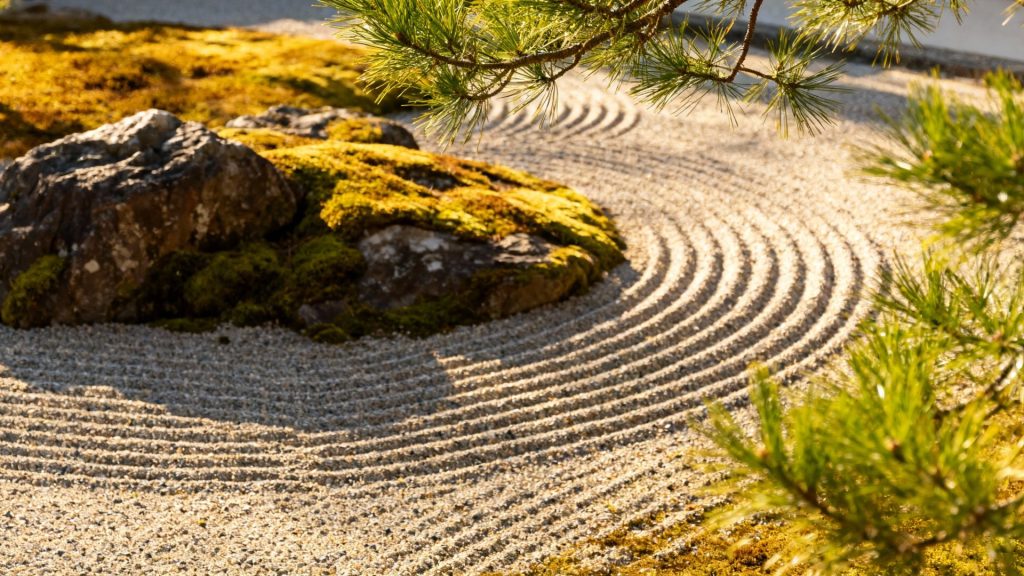
At the heart of this city lies Kinkaku-ji, the Golden Pavilion, a vision that shimmers on the water’s surface like a mirage of eternal beauty. Its gilded facade reflects the sky, casting ripples of gold that merge with the surrounding gardens—meticulously raked gravel paths, ancient pines, and moss-covered stones that guide the eye towards harmony. Each element, from the temple’s curved eaves to the quiet ponds, speaks of human artistry entwined with nature’s grace. Beyond the gleam, Ryoan-ji’s rock garden unfolds: fifteen stones adrift in a sea of moss, arranged in an enigmatic puzzle that invites introspection. This minimalism, born of Zen philosophy, embodies wabi-sabi—the celebration of imperfection and transience—where every rock is a silent teacher, urging visitors to find peace in simplicity and the passage of seasons.
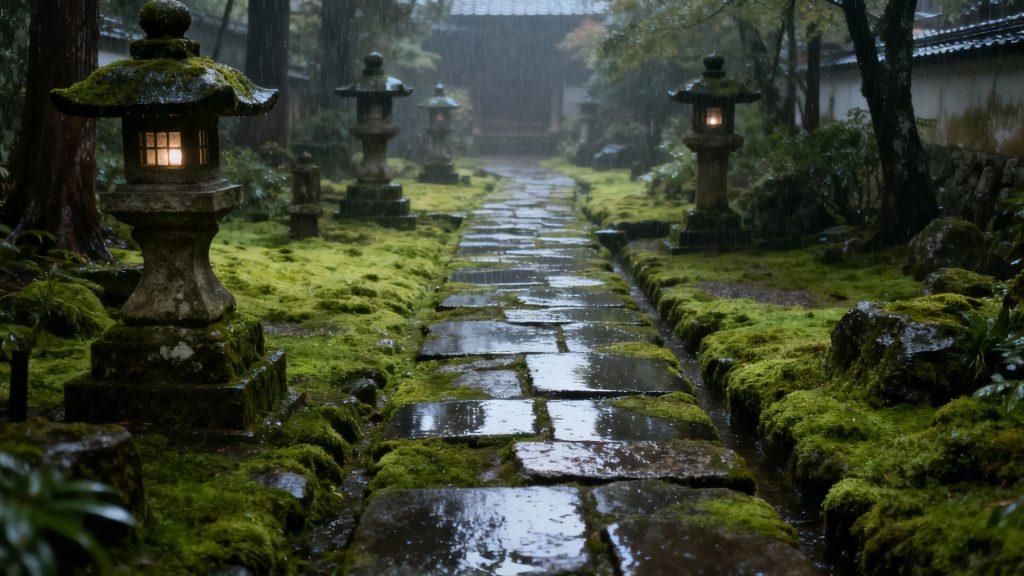
Kyoto’s soul is etched in its seasonal transformations, a rhythm that paints the city in ever-shifting hues. Spring arrives with cherry blossoms, petals cascading like soft pink snow, blanketing canals and parks in fleeting beauty. Autumn ignites the hillsides, as maple leaves turn fiery crimson and gold, casting a warm glow over temples and streets. Winter drapes the landscape in silence, snow settling on tiled roofs and stone lanterns, while summer brings lush greens and the drone of cicadas, punctuated by sudden downpours that cleanse the air. This cyclical dance is not mere spectacle; it’s a living narrative where each turn of the year reveals new layers of the city’s character, reminding us of nature’s constancy amidst change. The transition from dawn’s mist to twilight’s purple shadows is a daily ritual, softening edges and deepening the sense of timelessness.
To truly immerse in Kyoto, awaken all senses along the Philosopher’s Path. Stroll beside the canal, where cherry trees arch overhead, their branches tracing patterns against the sky. The crunch of gravel underfoot mingles with birdsong, while the breeze carries whispers of incense from hidden shrines. Pause at a traditional teahouse; sip matcha that blooms bitter on the tongue before yielding to a subtle sweetness, its aroma evoking memories of quiet moments. At dusk, lanterns flicker to life in Gion’s alleys, their soft glow guiding you past wooden facades where the echoes of geta sandals hint at centuries-old traditions untouched by haste. Here, every step is a tactile journey—the cool kiss of river air, the warmth of sun-baked stones, the earthiness of moss—each sensation weaving a deeper connection to place.
In Kyoto’s quiet corners, travel transcends sight to become a dialogue with the intangible. The city whispers not of grand conquests, but of moments: a single maple leaf drifting onto a temple step, the scent of rain on ancient wood, or the hush of a garden at twilight. It teaches that the truest journeys are inward, where stones and blossoms serve as mirrors to our own ephemeral existence. Standing before a centuries-old shrine, you feel the weight of history—not as a burden, but as a shared breath with those who walked these paths before. Here, nostalgia isn’t forced; it rises unbidden, a gentle ache for beauty that feels both foreign and intimately known, stitching the traveler into the eternal fabric of time and place.