Where Moss and Memory Merge: Kyoto’s Silent Gardens That Echo Centuries of Solitude
Step into Japan’s heartland to uncover how meticulously raked gravel and ancient stones foster a quietude that awakens dormant recollections of timeless peace.
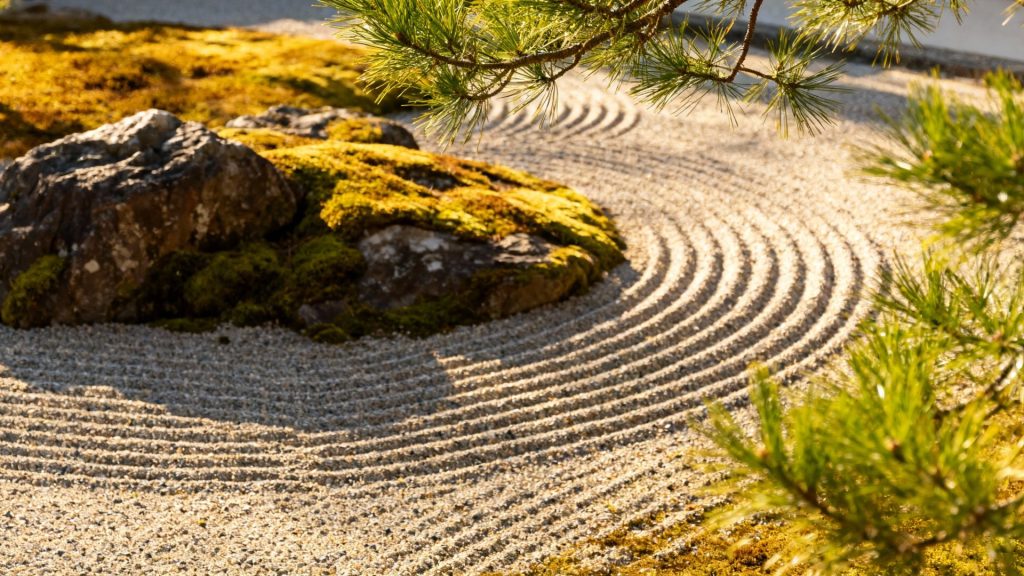
As the first light of dawn filters through the canopy of maple trees, casting soft shadows across the moss-carpeted paths of Ryoan-ji Temple, a profound stillness descends. The air hums with the faint scent of damp earth and pine, while the only sound is the distant rustle of leaves, like whispered secrets from generations past. Here, time slows to a crawl; the garden’s Zen rock arrangement—fifteen stones seemingly adrift in a sea of white gravel—invites contemplation, not of the mind, but of the soul. This serene sanctuary, where the boundary between nature and artistry blurs, draws visitors into a moment suspended between wakefulness and dream, evoking a sense of belonging that needs no words to explain.
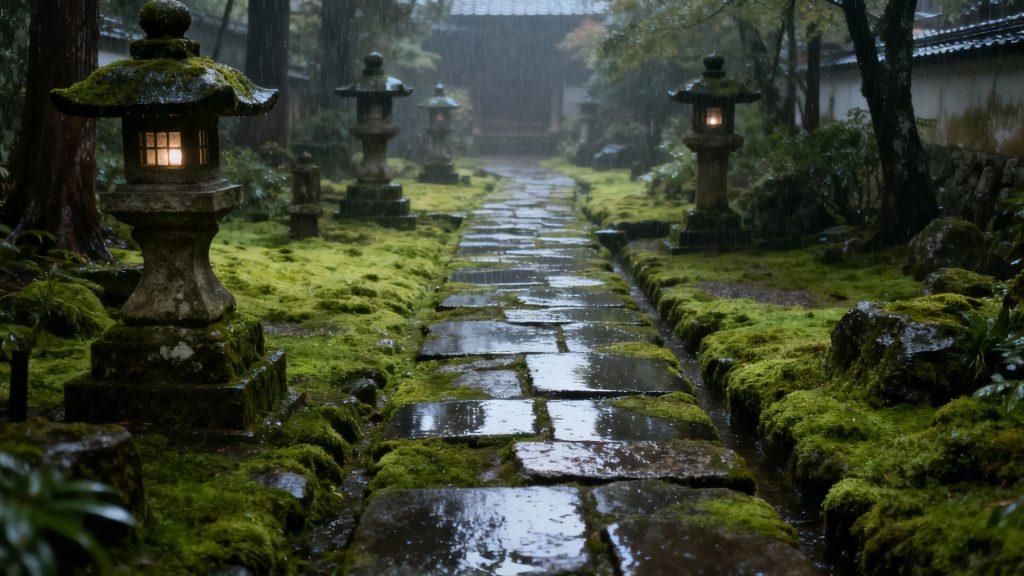
Moving deeper into Kyoto’s embrace, Kinkaku-ji, the Golden Pavilion, rises like a gilded jewel from its mirror-like pond. Each ripple in the water reflects not just the structure’s shimmering facade, but centuries of history where Buddhist ideals melded with Shinto reverence for the natural world. The temple’s design, with its tiered roofs and delicate carvings, speaks of resilience against the elements—how weathering over decades has softened its edges, imbuing it with an unspoken wisdom. Nearby, the moss gardens of Saiho-ji unfurl in emerald blankets, where centuries-old trees stand sentinel, their twisted roots a testament to endurance. These landscapes are not mere backdrops; they are living narratives, shaped by monsoons and winters, where every raindrop and snowfall has carved stories into the stone, whispering of seasons that come and go like fleeting thoughts.
At the core of Kyoto’s allure lies a profound philosophy: wabi-sabi, the celebration of imperfection and transience. This ethos is etched into the very soil of the gardens, where asymmetry and decay are revered as markers of beauty and truth. In the dry landscape of Ginkaku-ji, the Silver Pavilion, the meticulous patterns raked into the gravel mimic the flow of water, symbolizing life’s constant motion and the art of letting go. Such spaces are not designed for idle admiration but for introspection; they ask visitors to shed the noise of the modern world and embrace simplicity. Through this lens, the gardens become vessels of human spirit—a reminder that harmony with nature isn’t a lofty ideal but a tangible practice, passed down through rituals of tea ceremonies and quiet walks, where each step is a meditation on acceptance and grace.
The passage of time weaves its magic through these landscapes, transforming them with the turn of the seasons. In spring, cherry blossoms burst forth in soft pink clouds, turning temple grounds into ephemeral wonderlands that fade as quickly as they bloom, teaching the eye to cherish the momentary. By autumn, the maples ignite in fiery hues of red and gold, their leaves carpeting the paths in a riot of color that mirrors the earth’s cyclical dance. Winter brings a hush, as snow blankets the gardens in pure white, highlighting the stark elegance of bare branches and stone lanterns. Even in the dim light of dusk, when fireflies might emerge in warmer months, the play of shadows deepens the sense of mystery, making each visit a unique encounter with eternity. This ever-changing tapestry reflects the human journey—impermanence not as loss, but as an invitation to witness the world anew, season after season.
For the traveler seeking to immerse fully, engage all senses: breathe in the crisp, pine-laden air that sharpens with morning dew; listen for the soft crunch of gravel underfoot and the occasional chime of temple bells carried on the breeze; touch the cool, weathered surfaces of ancient stones, their textures a chronicle of time. Allow the visual feast—the interplay of light and shadow on intricately pruned trees—to anchor memories, evoking familiar feelings of solitude and wonder from past experiences. Such moments don’t require instruction but openness, letting the landscape speak in its own silent language, where a single dewdrop on moss can spark a cascade of recollections.
Ultimately, Kyoto’s gardens are more than destinations; they are mirrors reflecting our inner landscapes. In their quietude, we find not escape, but connection—to histories that precede us and futures yet unseen. Here, amid stones that have witnessed countless sunrises, we are reminded that life’s briefness is its greatest gift, urging us to pause, observe, and carry the serenity home in our hearts, forever transformed by the whispers of the past.