Where Stone Lanterns Whisper Secrets: Kyoto’s Twilight Paths Through Vermilion Gates
Discover how ancient moss-covered temples and rhythmic bamboo groves awaken forgotten memories in Japan’s timeless cultural sanctuary.
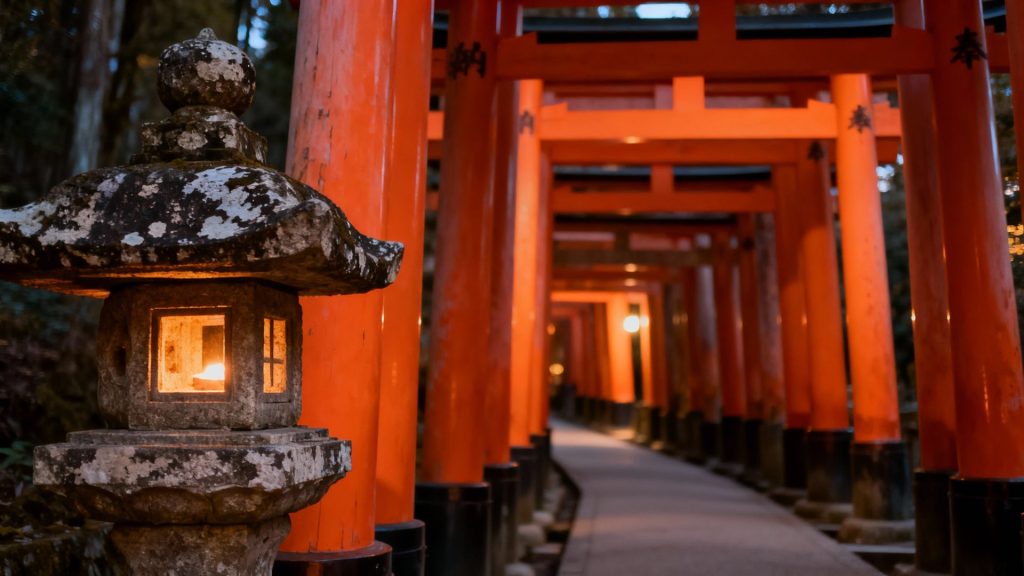
The first blush of dawn paints Fushimi Inari’s thousand torii gates in liquid gold, their vermilion arches bleeding into mist as you climb the sacred mountain. Your footsteps echo in the hollow silence, each breath crystallizing in air scented with cedar and damp earth. Beneath the canopy, shadowed fox statues stand sentinel over trails lined with crumbling stone lanterns – silent witnesses to centuries of whispered prayers. This is where time folds upon itself, where the crunch of gravel underfoot becomes a metronome for contemplation.
Kyoto’s soul resides in the dialogue between hand-carved wood and weathering stone. At Kiyomizu-dera, the wooden stage juts defiantly over maple forests like a ship’s prow sailing through seasons. Notice how temple eaves curve skyward to catch moonlight, how rock gardens ripple in precise patterns that mirror distant mountain ranges. Zen monasteries reveal this philosophy in raked gravel oceans where stones become islands – a landscape shrunk to palm-size perfection, demanding stillness to comprehend its vastness.
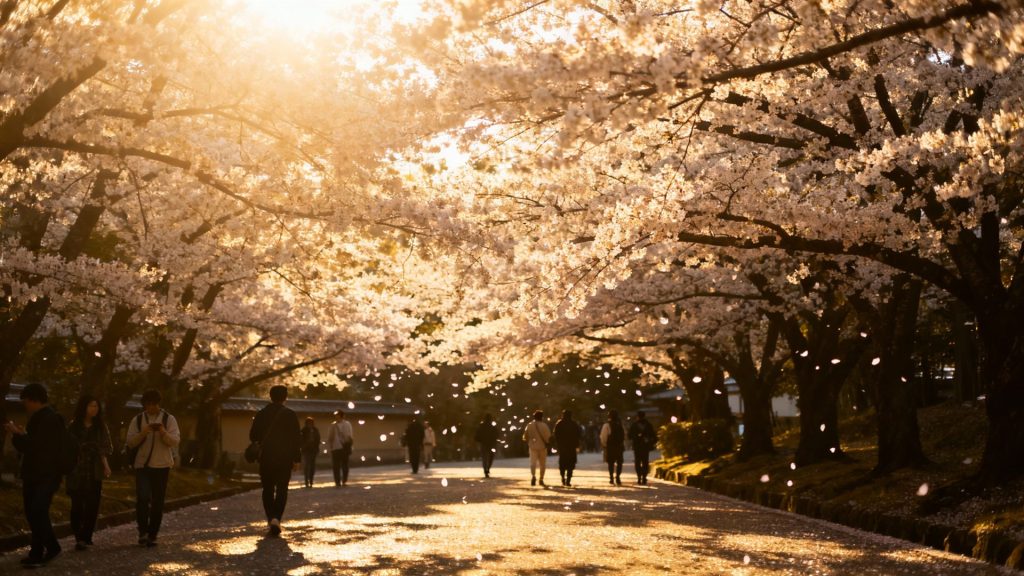
Seasons rewrite the city in delicate brushstrokes. Cherry blossoms explode along the Kamo River in April, their pink snowfall drifting onto tea house windows where steam rises from matcha bowls. Come autumn, Tofuku-ji’s maples ignite in crimson waterfalls, light fracturing through leaves onto moss-carpeted stones. By winter, silver frost etches patterns on temple rooftops while glowing lanterns cast dancing shadows across snow-laden bamboo groves, their hollow stalks clicking like ancestral clocks in the night wind.
Engage all senses at Nishiki Market’s covered arcade. Follow the scent of burning yuzu peel to stalls displaying jewel-like pickled vegetables, their brine-infused tang sharpening the air. Run fingertips over indigo-dyed fabrics, noticing how the plant-based dye deepens with each wash. Pause before copper pans simmering with adzuki beans, their earthy sweetness mingling with woodsmoke from nearby roasting tea leaves. Listen to the rhythmic tap-tap of mochi pounding, a sound unchanged since samurai eras.
In Gion’s twilight alleys, the soft glow of paper lanterns transforms cobblestones into rivers of light. Here, the past isn’t preserved behind glass but lived in the swish of silk kimonos and the sliding screens revealing glimpses of tatami-matted rooms. The gong from Yasaka Pagoda drifts across rooftops as dusk stains the sky indigo, synchronizing with the splash of water in stone basins where visitors purify hands before shrines.
True communion occurs when you kneel in Ryoan-ji’s rock garden, its fifteen stones eternally arranged yet forever hidden from full view. Like memories surfacing then retreating, the stones reveal themselves differently from each angle. The garden teaches that understanding comes not through possession but through release. When temple bells toll at sunset, their bronze vibrations humming through your bones, you realize Kyoto’s greatest gift isn’t what it shows, but the silent spaces between – where your own story begins.