In the Shadow of Blossoms: Kyoto’s Journey Through Centuries of Serenity
Discover the soul of Japan in the quiet temples and vibrant gardens that echo with centuries of tradition, inviting you to slow down and savor each timeless moment.
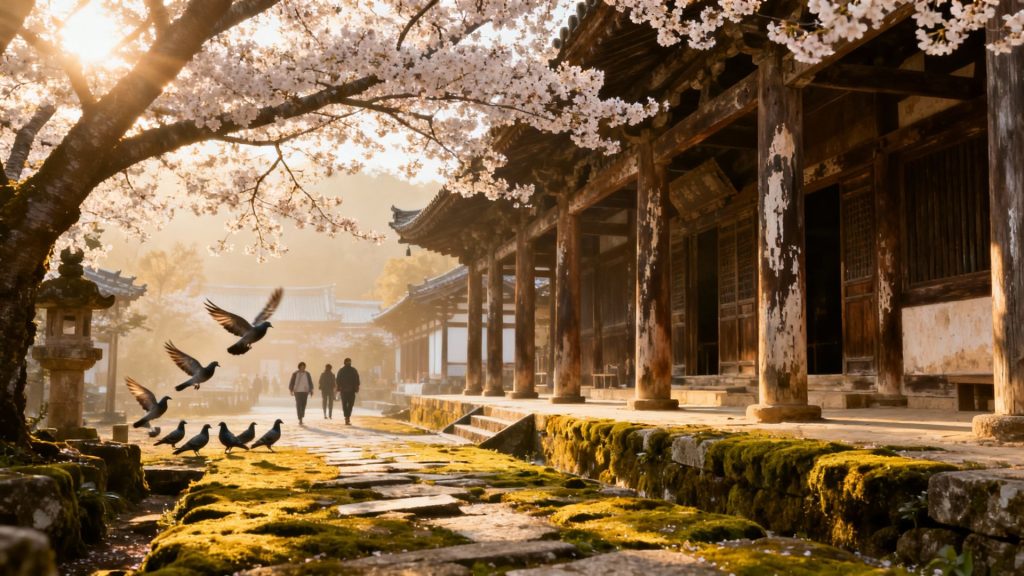
The morning mist clings to the ancient wooden beams of Kiyomizu-dera, as cherry blossoms drift like pink snowflakes onto the moss-covered stone paths, each petal a silent whisper of seasons past. In this hushed dawn, the city awakens not with clamor but with the soft rustle of wind through maple leaves, carrying scents of damp earth and distant incense. Here, time seems to fold upon itself, where mossy shrines and gnarled pines stand as sentinels to a history that breathes through every crevice, inviting the traveler to pause and feel the weight of centuries in the cool, dewy air. This is Kyoto—a place where the past is not remembered but relived, where the first light of day paints the temples in hues of gold and rose, stirring a deep, wordless nostalgia in the soul.
At the heart of this ancient capital, Kinkaku-ji, the Golden Pavilion, rises from the mirror-like pond, its gilded facade shimmering in the midday sun like liquid amber. Surrounded by meticulously raked gardens of white gravel and sculpted pines, the structure reflects not just light but the very essence of impermanence, a concept woven into Japan’s cultural fabric. The stillness of the water amplifies the silence, broken only by the occasional splash of a koi fish or the distant chime of temple bells, creating a tableau that speaks of beauty born from transience. Nearby, the vermilion gates of Fushimi Inari Shrine snake up the mountainside, thousands of torii gates forming a tunnel of crimson that seems to pulse with the energy of devotion, each step a journey through layers of faith and nature intertwined.
The spirit of Kyoto finds its purest expression in its Zen gardens, such as those at Ryoan-ji, where fifteen rocks rest on an expanse of white gravel, raked into patterns that evoke ocean waves frozen in time. This minimalist landscape is a meditation on emptiness and presence, urging visitors to sit in stillness and contemplate the spaces between stones—a reflection of life’s simplicity amidst complexity. The tea ceremony, cultivated in these hills, transforms a simple act into a ritual of mindfulness, where the steam from a clay pot and the bitter-sweet taste of matcha become portals to inner calm. In these quiet corners, the city reveals its soul: a harmony between human endeavor and natural order, where every garden path and stone lantern whispers of patience, discipline, and the art of finding beauty in the mundane.
As the wheel of seasons turns, Kyoto dons new garments, each transformation a vivid chapter in its eternal story. Spring arrives in a burst of sakura, the cherry blossoms blanketing canals and parks in a soft, ephemeral pink, their petals falling like confetti in the breeze. Summer deepens the greens, with cicadas humming in the humid air and hydrangeas blooming in temple courtyards, their vibrant blues and purples a stark contrast to the stone. Autumn ignites the maples, setting hillsides ablaze in crimson and gold, while winter drapes the city in snow, turning gardens into monochrome masterpieces of serenity. This cyclical dance of light and color reminds the observer that beauty is not static but a fleeting, ever-renewing gift, where each season offers a fresh lens to view the city’s enduring grace.
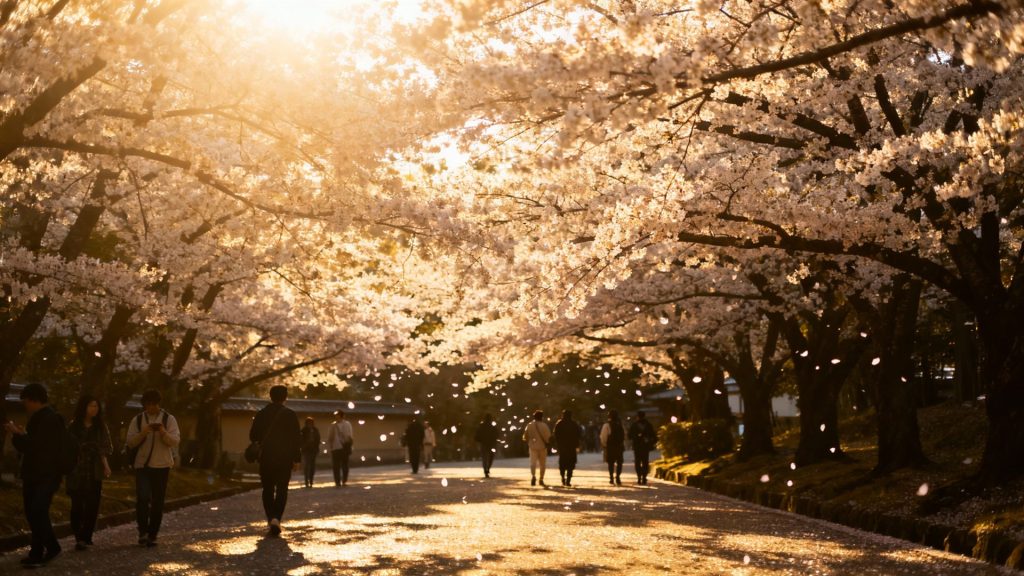
To fully immerse in Kyoto’s essence, wander the Philosopher’s Path along the canal, where cherry trees arch overhead in a living tunnel, their blossoms casting dappled shadows on the water. Feel the cool, smooth stone of temple steps beneath your feet, listen to the whisper of bamboo in Arashiyama’s grove as it sways in the breeze, and inhale the earthy fragrance of moss and incense that lingers in the air. These sensory journeys anchor the traveler in the present, turning a simple stroll into a tactile symphony—the crunch of gravel underfoot, the sight of koi gliding through ponds, and the taste of green tea savored in a quiet garden nook. Each moment becomes a brushstroke in a larger canvas, inviting you to slow down and absorb the world through all five senses.
Kyoto is not merely a city to visit; it is an encounter with time itself, where the boundaries between past and present blur into a seamless tapestry. In its silent temples and bustling market alleys, we confront our own fleeting existence against the backdrop of enduring stone and wood. To walk its streets is to engage in a quiet dialogue with history, where every shrine gate and garden path offers a mirror to our own memories and longings. Here, the journey becomes a return to simplicity, a reminder that true travel is not about distance covered but moments cherished, leaving the soul enriched with a profound, unspoken connection to the eternal.