Footsteps on Sacred Ground: Kyoto’s Whispering Alleys and Timeless Shrines
In the heart of Japan, where ancient traditions breathe life into every corner, Kyoto invites travelers to a journey of quiet contemplation and sensory awakening.
As dawn breaks over Kyoto, the first rays of sunlight filter through the vermilion torii gates of Fushimi Inari Shrine, casting long, dancing shadows that seem to whisper secrets of centuries past. The air is crisp with the scent of pine and incense, mingling with the soft rustle of maple leaves underfoot, creating an almost sacred silence that envelops the city. Here, time slows to a gentle crawl, inviting wanderers to lose themselves in a landscape where every stone path and moss-covered wall tells a story of resilience and reverence. This is a place where the past breathes, not as a relic, but as a living, pulsing presence that awakens the senses and stirs the soul.
At the heart of Kyoto lies Kinkaku-ji, the Golden Pavilion, its reflection shimmering on the still waters of the surrounding pond like a gilded dream. Surrounded by meticulously raked gardens and ancient pines, the structure stands as a testament to human artistry harmonizing with nature’s grandeur. Nearby, the Arashiyama Bamboo Grove rises in towering green columns, their slender forms swaying in the breeze to create a symphony of creaks and whispers that echo through the forest. These landscapes are not mere backdrops; they are protagonists in a narrative of beauty that unfolds with each step, revealing layers of color and texture that shift with the light. The interplay of gold against emerald, of stone softened by moss, speaks of a world designed to evoke wonder rather than overwhelm, a sanctuary where the eye finds endless rest and renewal.
Kyoto’s soul resides in its centuries-old traditions, particularly in the Zen philosophy that permeates its temples and tea houses. Places like Ryoan-ji Temple, with its enigmatic rock garden, invite contemplation through simplicity—each stone carefully placed to represent islands in a sea of raked gravel, a meditation on impermanence and balance. The art of the tea ceremony, practiced in secluded gardens, transforms everyday rituals into profound acts of mindfulness, where the steam from a bowl of matcha becomes a metaphor for life’s fleeting moments. This is not heritage preserved behind glass; it is a living culture that flows through daily life, evident in the quiet diligence of monks sweeping courtyards or the rhythmic clack of wooden geta sandals on cobblestone alleys. Such traditions whisper of a deeper wisdom, teaching that true beauty lies in stillness and intention.
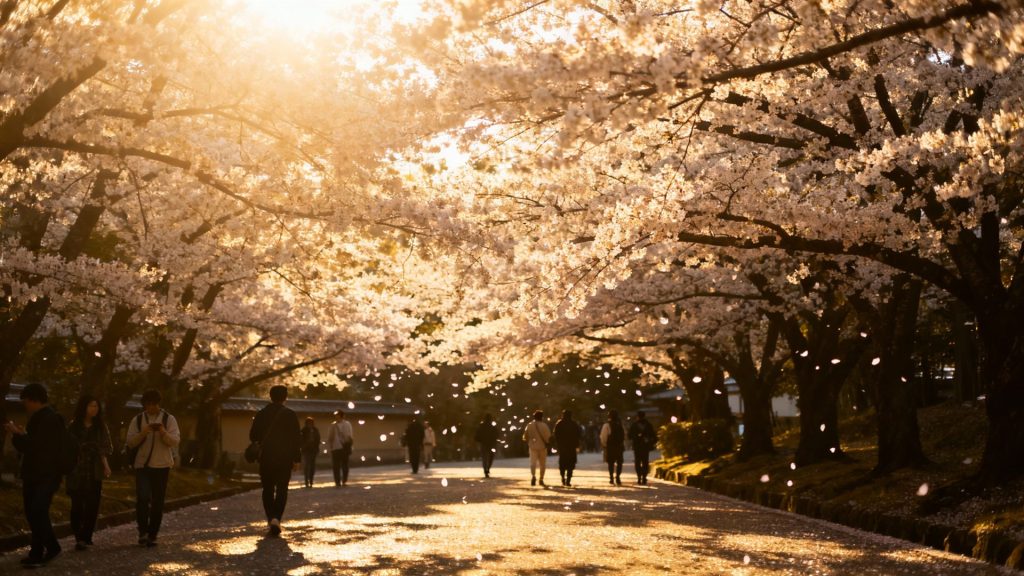
The city’s character transforms with the seasons, each bringing a distinct palette and mood. In spring, the Philosopher’s Path is lined with cherry blossoms, their delicate pink petals drifting like snowflakes onto the canal below, creating a fleeting tapestry of color that celebrates renewal. Autumn ignites the hillsides in fiery hues of red and gold, as maple leaves cascade in rivers around Kiyomizu-dera Temple, where the wooden verandas offer panoramic views of the city ablaze. Winter cloaks the gardens in silent snow, turning rock formations into sculpted white sentinels, while summer’s heat brings the lush green of moss gardens to life, their velvet surfaces glistening with dew. These seasonal shifts are not just visual spectacles; they are sensory journeys that mirror the passage of time, inviting visitors to witness the world in constant, graceful flux.
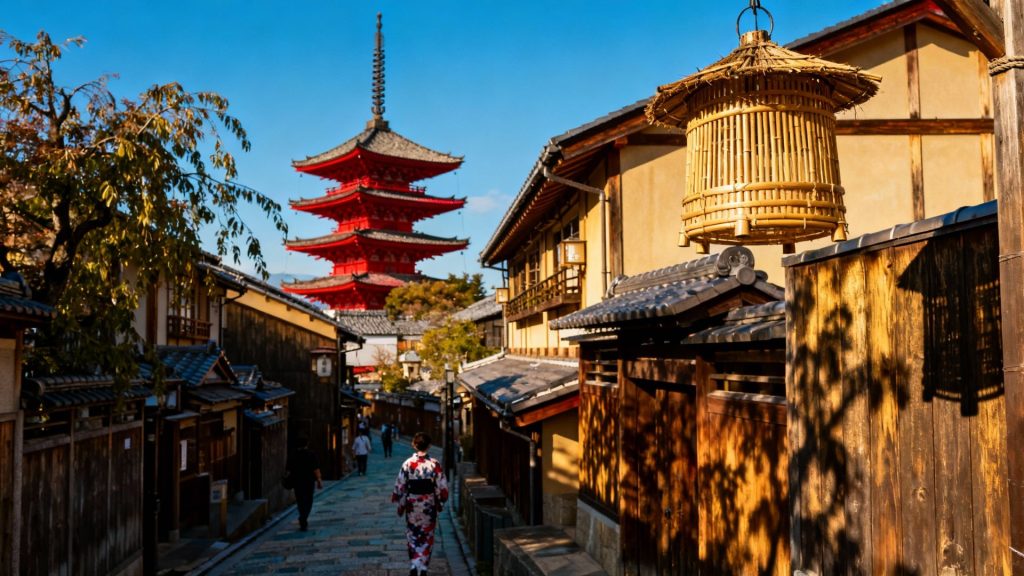
To fully immerse in Kyoto’s essence, wander the narrow lanes of Gion at twilight, where the soft glow of lanterns illuminates traditional machiya houses, their wooden lattices hinting at hidden interiors. Focus on the senses: feel the cool touch of stone steps underfoot at Kiyomizu-dera, listen to the distant chime of temple bells carried on the breeze, and taste the subtle sweetness of yatsuhashi sweets from local vendors. For a moment of reflection, pause by the Kamo River at dusk, watching its waters mirror the sky’s changing colors. Such experiences require no agenda—simply allow the city’s rhythm to guide you, discovering small shrines and tea stalls tucked away in quiet corners. Practical tips? Rise early to avoid crowds, carry a light shawl for cool mornings, and let curiosity be your compass.
Standing atop Fushimi Inari at sunset, the city sprawls below in a patchwork of grey rooftops and verdant pockets, a reminder that travel is not about conquering places but connecting with them. Kyoto’s true gift is its ability to transform the mundane into the magical—a rustling leaf, a stone lantern weathered by rain, or the scent of green tea—all serving as gentle echoes of shared human experience. In this ancient capital, every journey becomes a quiet dialogue between traveler and terrain, where the resonance of history and nature offers not escape, but a deeper understanding of our own place in the world. It is an invitation to pause, breathe, and remember that beauty often whispers loudest in the silence.