Whispers of Timeless Stones: Kyoto’s Gardens Where Cherry Blossoms Dance with Ancient Echoes
Discovering Japan’s Soul in the Ancient Capital, Where Every Alleyway Holds Centuries of Silent Stories and Nature’s Gentle Rhythms
As dawn breaks over Kyoto, a soft mist rises from the Kamo River, wrapping the city in a veil of silver that muffles the world into stillness. The air carries the faint scent of wet moss and pine, mingling with the distant chime of temple bells that seem to float on the breeze like forgotten memories. In this quiet hour, the ancient streets of Gion are empty, save for the rustle of maple leaves underfoot, each step a whisper into the past. Here, time doesn’t march; it lingers, inviting you to pause and breathe in the essence of a place where history isn’t just seen but felt in the cool stone beneath your palms and the hushed reverence of shrines bathed in first light. This is Kyoto, a city that doesn’t shout its nostalgia but lets it seep into your soul through the subtle symphony of nature and tradition.
At the heart of this timeless embrace lies Kinkaku-ji, the Golden Pavilion, its reflection shimmering on the mirror-like pond like a gilded dream. Sunlight catches the gold leaf, casting warm hues that dance across the water, while the surrounding gardens—a tapestry of meticulously raked gravel and ancient pines—speak of centuries of Zen contemplation. Nearby, the Arashiyama Bamboo Grove stands as a cathedral of green, where towering stalks sway in unison, their rustling leaves creating a soothing chorus that echoes the rhythm of the earth. These landscapes aren’t mere backdrops; they are living narratives, shaped by human hands to honor the harmony between structure and wilderness. The temples, with their curved roofs and wooden beams, seem to grow from the land itself, a testament to a culture that finds divinity in simplicity and balance.
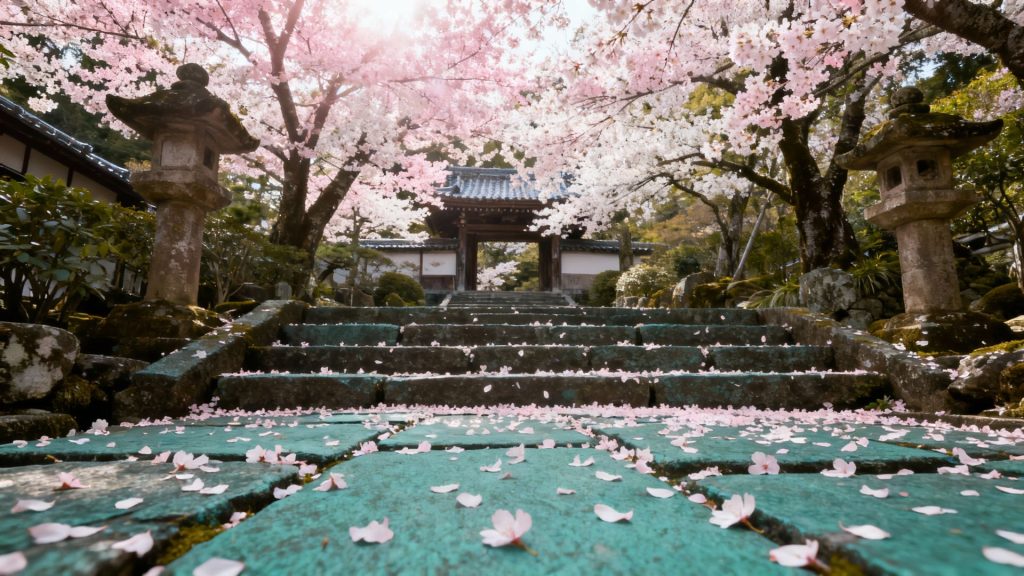
This profound connection to nature extends into the rituals that define Kyoto’s spirit, where the art of tea ceremony transforms a simple act into a meditative journey. In the quiet of a traditional tea house, the ritual unfolds—a precise choreography of pouring, whisking, and sipping that mirrors the seasonal shifts outside. Each movement is deliberate, echoing the patience required to cultivate the gardens that bloom with cherry blossoms in spring or blaze with crimson maples in autumn. It’s in these moments that the city’s essence reveals itself: not through grand declarations, but through the silent language of stones placed just so in a rock garden, inviting introspection. Here, history isn’t archived; it’s lived, in the way the light filters through paper screens or the sound of water trickling in a stone basin, reminding us of life’s fleeting beauty.
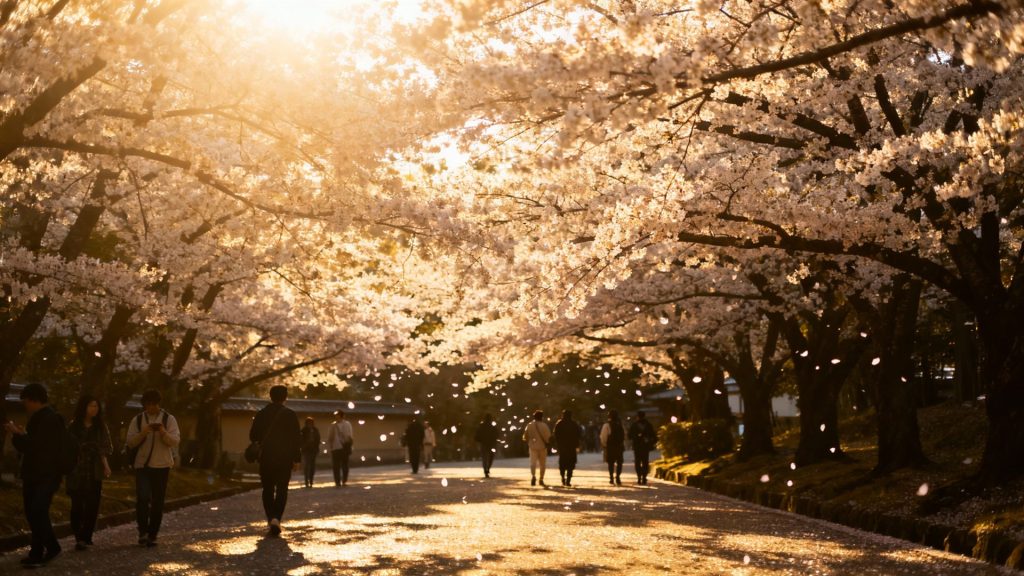
As the day unfolds, Kyoto transforms with the sun’s arc, revealing new layers of its character. Morning’s mist gives way to the golden glow of afternoon, when the Philosopher’s Path comes alive with the vibrant pinks of sakura in bloom, petals drifting like confetti on the canal. By evening, lanterns flicker to life along Pontocho Alley, casting long shadows that dance on wooden facades, while the air fills with the aroma of grilling yakitori and sweet mochi. Come autumn, the city’s palette shifts to fiery reds and oranges, as maple leaves carpet the grounds of Kiyomizu-dera Temple, creating a spectacle that feels both ephemeral and eternal. These seasonal shifts aren’t just visual feasts; they are sensory invitations, where the crunch of fallen leaves underfoot or the chill of a winter breeze against your cheeks anchors you in the present, even as it evokes memories of cycles long past.
To fully immerse in Kyoto is to engage all senses, starting with the quiet hum of cicadas in summer or the soft patter of rain on temple roofs in spring. Walk slowly through the Nishiki Market, where the scent of pickled vegetables and fresh seafood mingles with the earthy fragrance of green tea, each stall a burst of color and flavor that awakens the palate. Listen for the distant chants from monks in meditation, a low drone that weaves through the city’s soundscape, or feel the cool silk of a kimono fabric in a centuries-old shop. These experiences aren’t guided tours but personal discoveries, urging you to touch the weathered wood of a shrine gate or taste the subtle bitterness of matcha, allowing the city’s rhythms to sync with your own heartbeat, creating imprints that linger long after departure.
In the end, Kyoto’s true gift lies in how it mirrors our own journeys, a place where every stone path and blooming tree becomes a mirror for the traveler’s inner landscape. It asks not for admiration from afar but for presence, in the way a single maple leaf, caught in a sunbeam, can stir a flood of recollections—of childhood gardens, of quiet moments lost. This city doesn’t impose nostalgia; it cultivates it, through the gentle insistence that beauty is found in impermanence and that in walking these ancient streets, we are not just visitors but participants in a timeless dance. Here, the past isn’t a relic; it’s a companion, whispering that the most profound travels are those that leave us not with souvenirs, but with a deeper resonance in our bones.